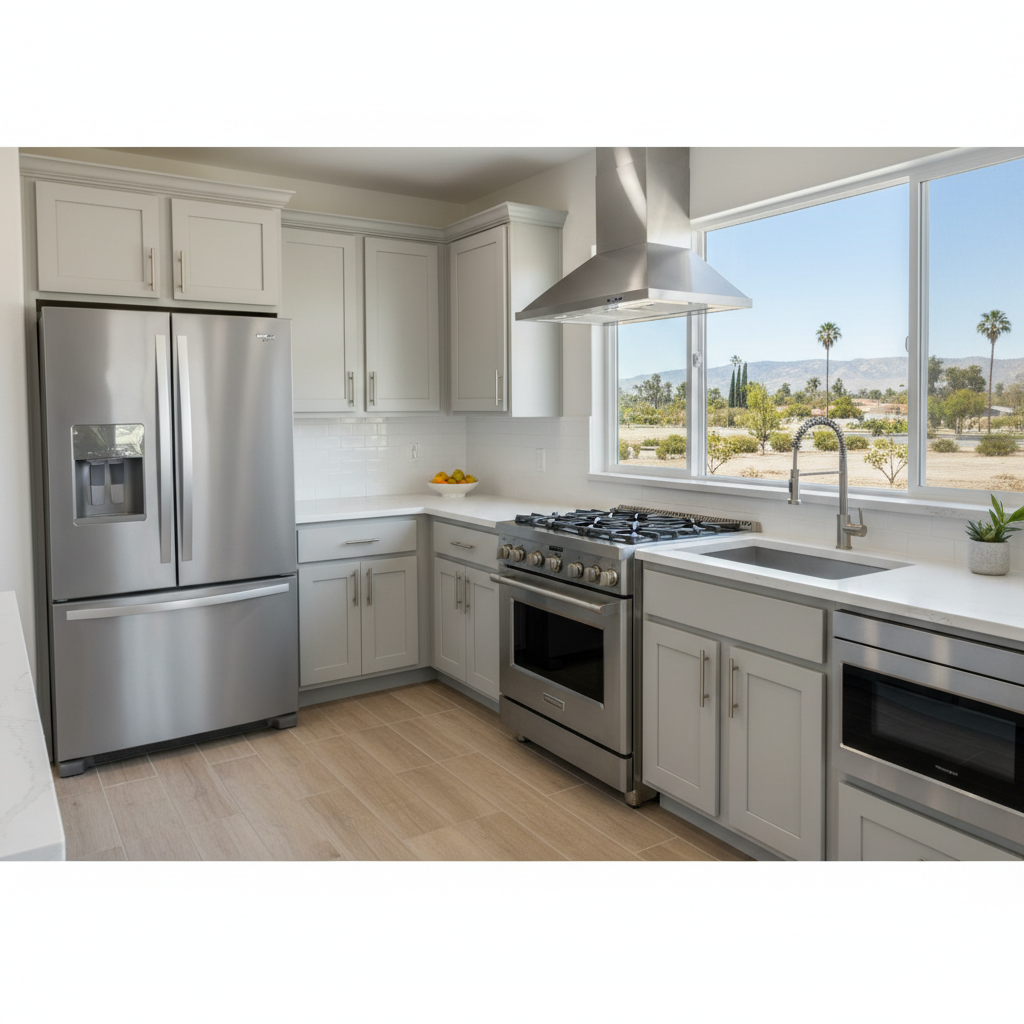
Installing new appliances sounds simple, right? You buy that shiny new fridge or dishwasher, someone shows up, plugs it in, and off you go. If only it were always that easy. As someone who's been doing kitchen remodels and appliance installations across Inglewood for years, I've seen plenty of homeowners hit a snag. And usually, it's because they ran into one of a few common mistakes. Let's talk about what those are so you don't end up regretting your choices down the line.
Mistake #1: Not Measuring (and Re-Measuring!)
This is probably the most frequent and frustrating mistake I see. You fall in love with a new refrigerator or a double oven, buy it, and then it arrives, and it's just too big for the space. Or maybe it fits the width, but it's too deep and sticks out awkwardly. Or, even worse, it won't fit through your front door, or down your narrow hallway. I've definitely seen that happen in those charming older homes near the Civic Center where doorways and kitchen layouts can be a bit tighter than modern builds.
Here’s the deal: measure your existing space, measure the appliance's dimensions (height, width, depth, and don't forget the door swing!), and then measure the path it needs to take to get into your kitchen. Take photos. Draw a little sketch. It sounds basic, but you'd be shocked how many people skip this crucial step. A few inches can make all the difference between a smooth install and a major headache (and potentially an expensive return fee, too).
Mistake #2: Ignoring Utility Requirements
Appliances aren't just pretty boxes; they need power, water, and sometimes gas. Your old dishwasher might have run on a standard 15-amp circuit, but that new, super-efficient model with all the bells and whistles could need a dedicated 20-amp line. Same goes for those fancy induction cooktops – they often demand a higher voltage connection than your old electric range.
If you're upgrading from gas to electric, or vice versa, that's a whole different ballgame. You'll need a licensed professional to run new lines or cap off old ones. Don't just assume your existing hookups will work for every new appliance. Check the specifications for your new unit and compare them to what you currently have. If there's a mismatch, you need to budget for an electrician or plumber before the appliance even shows up. Trying to force it or DIYing electrical work is just asking for trouble, and it's a huge safety risk.
Mistake #3: Picking the Cheapest Installer (or DIYing Complex Installs)
I get it, everyone wants to save a buck. But appliance installation isn't always a job for your buddy who's