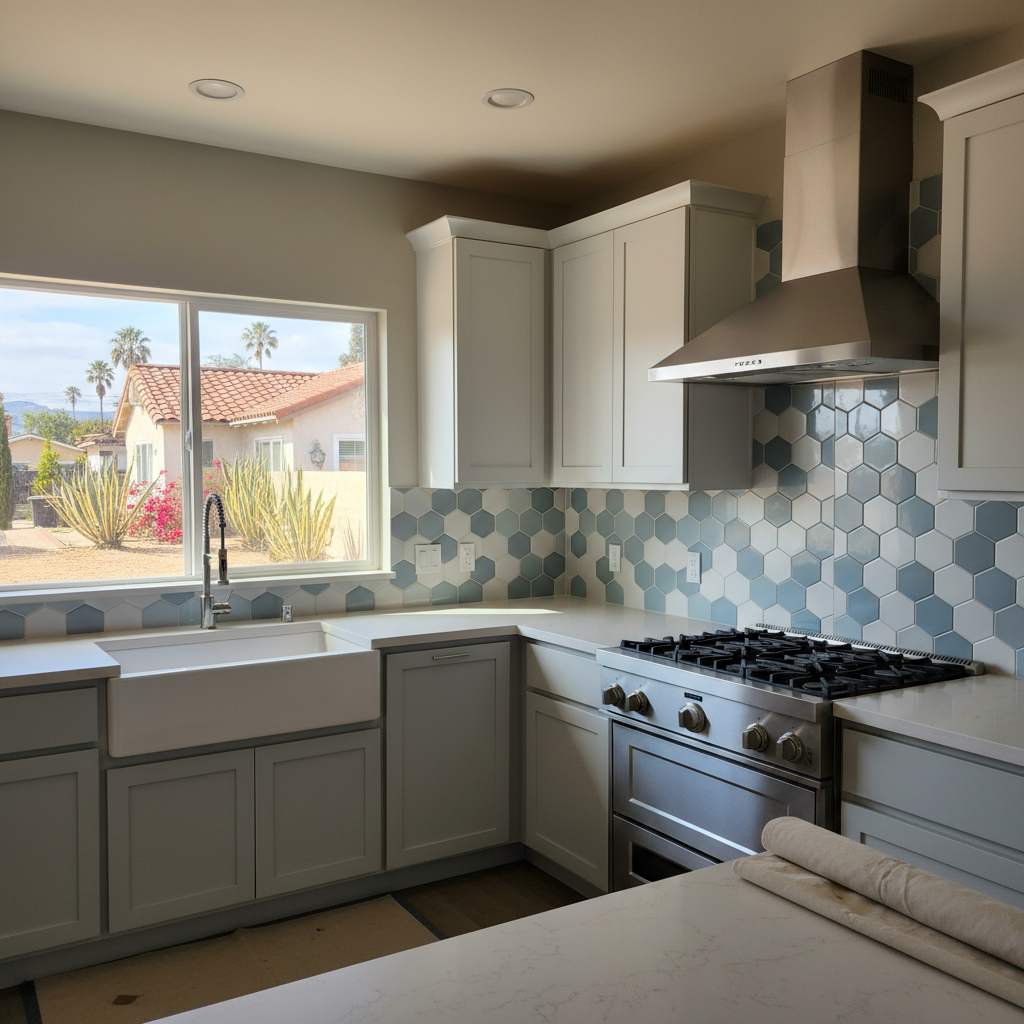
You're dreaming of a fresh new kitchen look, maybe some sleek subway tile or a bold mosaic behind your stove. A new backsplash can really change a space, can't it? But here in Inglewood, just like with any home improvement project, it's not simply about picking the right tile. It's also about figuring out the best time to get it installed. Our local climate, believe it or not, plays a bigger role than most folks realize when it comes to something like a backsplash.
When's the Best Time to Install Your Backsplash?
Honestly, you can install a backsplash pretty much any time of year. But some seasons are definitely more ideal than others, especially for the thin-set mortar and grout to cure properly. What we're really looking for are stable, moderate temperatures and lower humidity.
- Spring (March-May): This is often my top recommendation. The weather's usually mild — not too hot, not too cold. Humidity tends to be lower than in summer, which helps everything dry and cure without rushing or dragging. Plus, you beat the summer rush for contractors.
- Fall (September-November): Another excellent window. Similar to spring, you get those nice, stable temperatures. The Santa Ana winds can sometimes kick up, drying things out a bit faster. That's not always a bad thing for curing, as long as it's not excessive.
- Summer (June-August): You can do it, but you need to be mindful. Our Inglewood summers can get pretty warm, especially those heat waves that push into the 90s. High heat can make thin-set dry too quickly, which compromises its bond. If we're working in a kitchen that gets a lot of direct afternoon sun, we might need to adjust our schedule or take extra precautions to make sure everything cures right.
- Winter (December-February): Generally okay, but we do get our rainy season. While a backsplash is indoors, higher ambient humidity from prolonged rain can slow down how fast materials dry and cure. It's not a deal-breaker, but it's something we factor in.
The main thing to remember? Try to avoid extreme heat or long stretches of high humidity. A good contractor will know how to work around these conditions, but ideal conditions always lead to the best results.
How Inglewood Weather Affects Backsplash Work
It might seem minor, but the temperature and humidity inside your home during installation and curing really make a difference. Here's why:
- Thin-set Mortar: This is what sticks your tiles to the wall. It needs to cure, not just dry. Curing is a chemical process that requires a certain amount of moisture and time. If it dries too fast (like in very hot, dry conditions), it can get brittle and lose strength. If it dries too slowly (in very humid conditions), it can take forever to set, potentially leading to tiles shifting or even mold issues later on if moisture gets trapped.
- Grout: Similar story with grout. It needs to cure properly to reach its full strength and stain resistance. Extreme temperatures or humidity can mess with its consistency when we apply it and its final durability.
- Expansion and Contraction: While less of a concern for a small area like a backsplash compared to, say, an entire floor, materials do expand and contract with temperature changes. Installing during very hot or very cold snaps can put stress on the system as it settles into more moderate temperatures.
We're always paying attention to these factors. For instance, if it's a particularly humid day, we might run a dehumidifier in the work area. If it's scorching outside, we'll make sure the AC is on and stable inside to keep the kitchen at the best temperature for the materials.
Protecting Your Backsplash Investment Year-Round
Once your beautiful new backsplash is installed, you want it to last. Here's how you protect that investment, no matter the season:
First, and this is a big one, seal your grout. Most grouts, especially sanded ones, are porous. Sealing creates a barrier against moisture and stains. I recommend sealing it shortly after installation (once fully cured, usually 48-72 hours) and then every 1-3 years, depending on how much action your kitchen sees. It's a simple process you can do yourself with a good quality sealer and a brush or sponge.
Second, clean regularly but gently. Don't let grease and food splatters sit there for ages. Use pH-neutral cleaners. Harsh chemicals, abrasive scrubbers, or even strong vinegar solutions can degrade your grout sealer and even some tile finishes over time. A soft cloth and warm, soapy water is usually all you need for daily wipe-downs.
Third, address any issues quickly. See a cracked tile? A crumbling grout line? Don't wait. Small problems can become big ones. Water penetration behind the tile can lead to mold, structural damage, and a much more expensive repair down the road. If you spot something, give us a call at All Star Kitchen Remodeling. We can assess it and get it fixed right.
Finally, just be mindful of what's happening in your kitchen. If you're doing a lot of steaming or boiling, make sure your range hood is on to vent excess moisture. Good ventilation helps keep humidity levels in check, which is good for your whole kitchen, not just the backsplash.
Getting a new backsplash is exciting, and with a little planning around our unique Inglewood climate, you'll ensure it looks great and lasts for years to come. If you're ready to talk about your kitchen remodel or backsplash project, don't hesitate to reach out to All Star Kitchen Remodeling. We're here to help you get it done right.