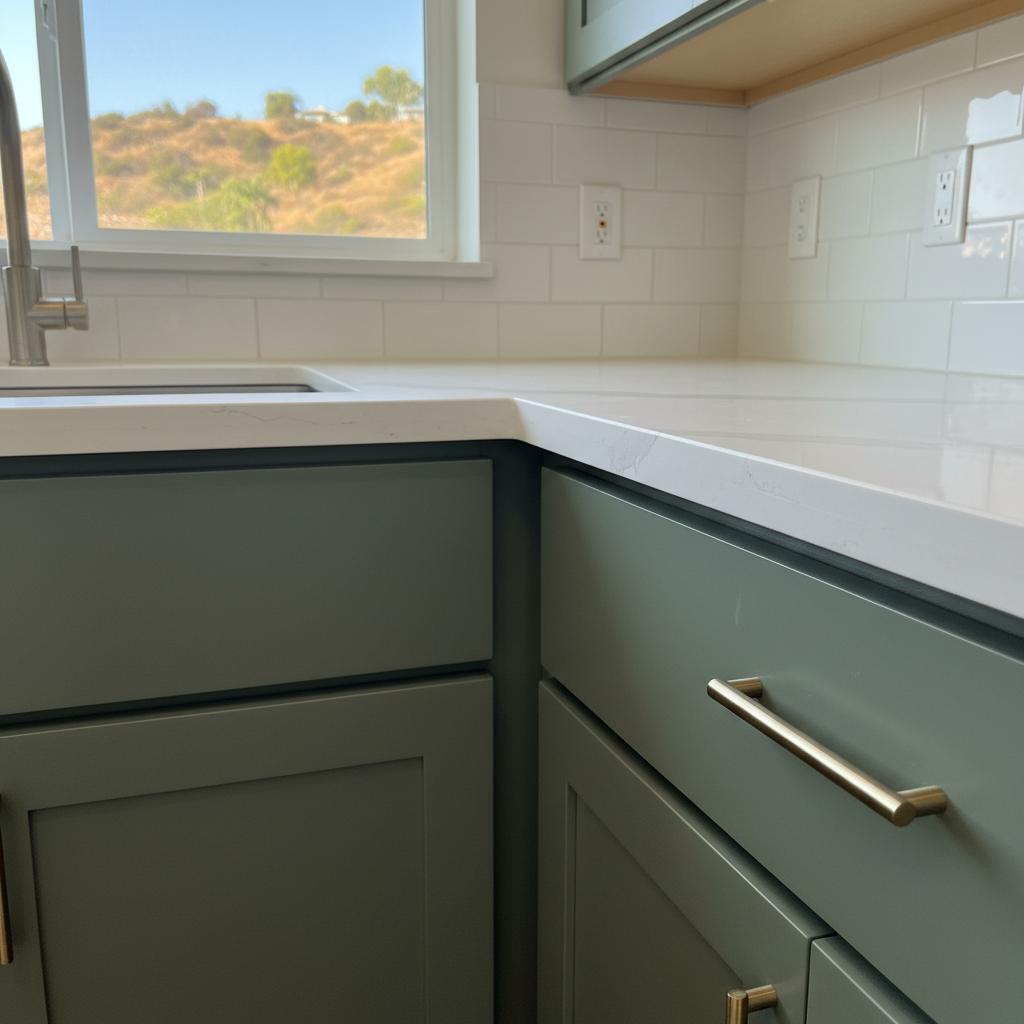
So, you're thinking about new kitchen cabinets, huh? That's a pretty big step in any remodel, and honestly, getting it right here makes all the difference. I've seen my share of cabinet projects all over Inglewood — from those classic homes near Edward Vincent Jr. Park to the newer places closer to the Stadium. And I can tell you, success usually boils down to good planning and knowing what you can actually handle yourself.
Before You Even Think About Screws
First things first, you absolutely need a plan. And I mean a *real* plan, not just some pretty picture you saw on Pinterest. What kind of cabinets are you even looking at? Stock, semi-custom, or full custom? This choice changes everything, from how long you'll wait to how tricky the installation will be. Stock cabinets? You can usually grab those and get them in pretty fast. Custom ones? You'll be waiting a bit, sure, but they'll fit your space like they were born there.
Next up, measure, measure, and then measure again. Seriously, I can't say this enough. Walls are hardly ever perfectly square, especially in some of those older Inglewood homes. You'll need to know your ceiling height, how long your walls are, and exactly where your windows and doors sit. Don't forget to factor in appliances either – your fridge, stove, dishwasher. You really don't want to install a base cabinet only to find the dishwasher won't slide in later. What a headache!
Another huge one: level and plumb. Your walls and floors need to be as close to perfectly level and plumb as humanly possible. If they aren't, your cabinets won't sit right. You'll end up with gaps, crooked doors, and a whole lot of frustration. This is where a good laser level becomes your absolute best friend. If your walls are truly out of whack, you might need to do some shimming or even a bit of drywall work *before* the cabinets even go in. This isn't just about looks, either; it's about how well everything works and how long it lasts.
During the Install: What You Can Tackle
Okay, so you've got your cabinets, your measurements are spot-on, and your walls are prepped. What can a homeowner realistically do themselves without calling in the pros?
- Assembly: If you picked RTA (ready-to-assemble) cabinets, putting them together is definitely a DIY job. Think of it like adult LEGOs; just follow the instructions.
- Basic Hanging: For those who are genuinely handy, hanging upper and lower cabinets is doable. You'll need a solid stud finder, a level, shims, and a strong friend to help. Start with the uppers, usually in a corner, and then work your way out. Make sure they're screwed securely into studs. For base cabinets, level them first, then secure them to the wall studs and to each other.
- Hardware: Installing pulls and knobs? Absolutely a DIY task. Just be super precise with your measurements and use a template if you happen to have one.
Now, when it comes to things like cutting filler strips perfectly, dealing with those tricky corners, or scribing cabinets to uneven walls (which, by the way, is super common in our area, especially with some of those older stucco homes that might have settled a bit over the decades), that's where things get complicated. If you're not confident with a miter saw or just don't have the patience for all those tiny adjustments, you might be better off leaving those particular bits to someone who does this every single day.
When to Call a Pro (Seriously)
Look, I'm all for saving a buck and tackling projects yourself, but some parts of cabinet installation are just plain better left to the pros. Here's when you should probably pick up the phone:
- Custom or High-End Cabinets: If you've shelled out for beautiful custom cabinetry, you really don't want to mess it up. These often need special tools and expertise for that perfect fit and finish.
- Complex Layouts: Lots of angles, tricky corners, or integrated appliances? A professional installer knows exactly how to handle these challenges smoothly.
- Uneven Walls/Floors: If your home has significant leveling or plumbing issues, a pro can correct these during installation, making sure your cabinets look and work perfectly without you tearing your hair out.
- Time is Money: Let's be real, cabinet installation takes a lot of time. If you're short on time or patience, hiring someone means the job gets done faster and usually with much better precision.
- Warranty Concerns: Sometimes, professional installation is actually required to keep your cabinet manufacturer's warranty valid. Check your paperwork!
At All Star Kitchen Remodeling, we've installed countless cabinets. And, yeah, we've also fixed a few DIY attempts that went a little sideways. There's no shame in knowing when to call in the cavalry. A professional can make sure your cabinets are perfectly level, plumb, and securely installed, which means they'll last longer and look fantastic for years to come.
After the Last Screw is Tightened
Once your cabinets are in, give them a good once-over. Check all the doors and drawers. Do they open and close smoothly? Are they lined up right? Any weird gaps? If you hired a pro, now's the time to point out any issues. If you did it yourself, pat yourself on the back, then grab your level and make any final tweaks.
Then, it's all about care. Most modern cabinets are pretty tough, but a little regular cleaning really goes a long way. Use mild soap and water, stay away from harsh chemicals, and wipe up spills fast. This will keep your new kitchen looking sharp for a good long time.
Ultimately, whether you DIY or hire a pro, a well-installed set of cabinets truly transforms your kitchen. Just make sure you're prepared, realistic about your skills, and ready to enjoy the heart of your Inglewood home.