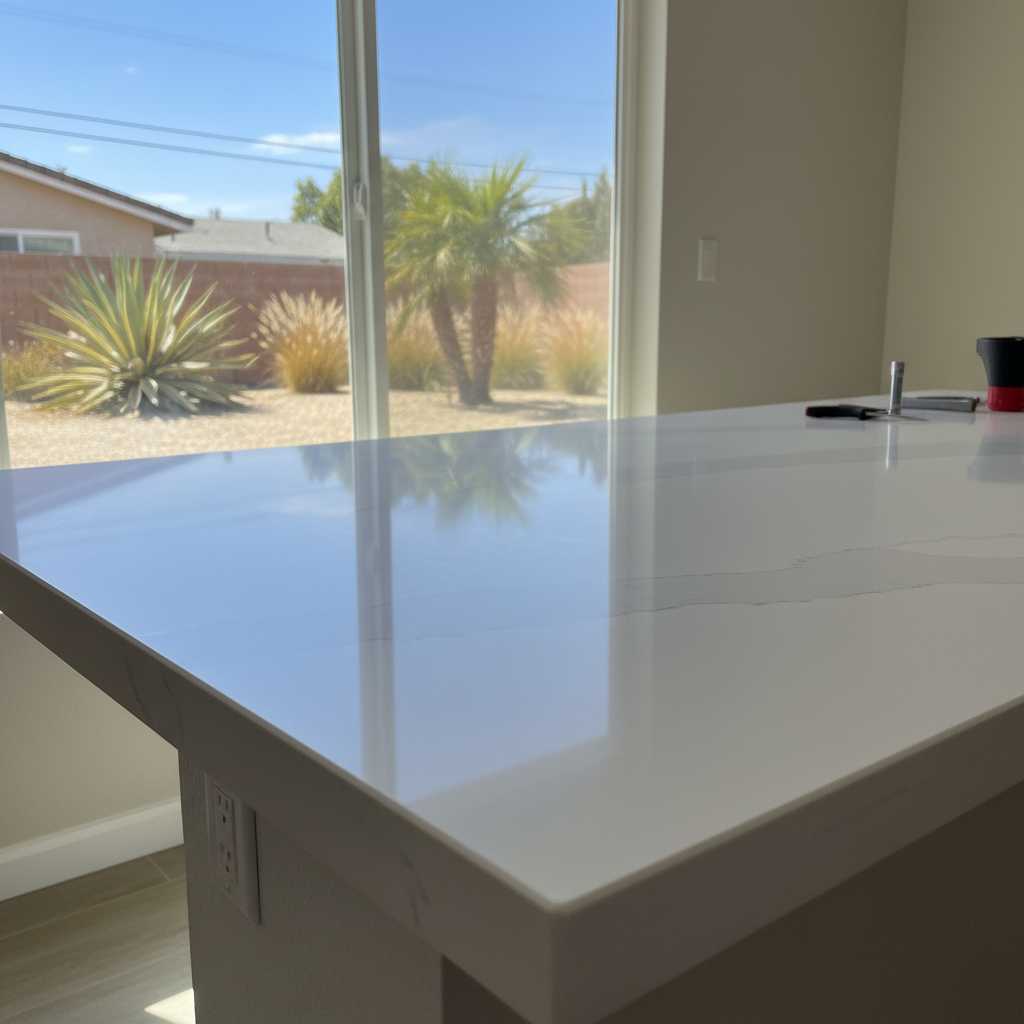
Alright, let's talk countertops. I get a lot of questions from folks around Inglewood when they're planning a kitchen remodel, and honestly, a lot of the info out there is just marketing fluff. You don't need that. You need straight answers from someone who's been doing this work right here in your neighborhood for years. So, I've rounded up the most common questions I hear about countertop installation, and I'm gonna lay it all out for you.
What's the best countertop material for my Inglewood home?
This is probably the number one question, and the honest answer is: it depends on what you value most. There's no single 'best' for everyone. For durability and low maintenance, quartz is super popular. It's engineered, so it's non-porous. That means it won't stain easily, and you don't have to seal it. It's great for busy families, and it comes in a ton of colors and patterns, some even mimicking natural stone really well. Granite is another classic; it's natural stone, incredibly hard, and heat resistant. Each slab is unique, which people love. But it is porous, so it needs sealing, usually once a year, to prevent stains. If you forget, you might end up with a red wine ring that's tough to get out, believe me.
Marble is beautiful, no doubt. It's got that luxurious, classic look. But it's softer than granite and quartz, and it's much more susceptible to etching from acids (think lemon juice, vinegar) and staining. If you're okay with a 'living finish' that shows some wear and tear over time, it's gorgeous. But if you want something pristine all the time, marble might drive you nuts. Butcher block offers warmth and a natural feel, but it requires regular oiling and can scratch or burn. For a more budget-friendly option, laminate has come a long way. It's not as durable as stone or quartz, but it's easy to clean, and you can get some really convincing patterns now.
Consider your lifestyle. Do you cook a lot? Are you meticulous about cleaning? Do you have kids? These things matter more than just what looks good in a showroom.
How long does countertop installation actually take?
Okay, so the actual installation of the countertops themselves usually happens pretty quickly once the fabrication is done. For a typical kitchen, we're talking one, maybe two days tops for the install crew to get everything in place. That includes setting the slabs, cutting out the sink hole on-site if needed, and doing the final caulking and sealing (if it's a natural stone). What takes time is everything leading up to that.
First, you've got to pick your material, which can be a journey in itself. Then, once cabinets are installed, we come out to do precise measurements and create templates. This step is critical; you don't want crooked cuts or gaps. After templating, the fabrication shop gets to work. This can take anywhere from 1 to 3 weeks, depending on the material, the complexity of your design (like fancy edges or a waterfall island), and how busy they are. So, while the install day is fast, plan for a few weeks from templating to the final product being in your kitchen.
Do I need to remove my old countertops myself?
You can, but I generally don't recommend it unless you're really handy and know what you're doing. Removing old countertops, especially heavy ones like granite or tile, can be a messy and even dangerous job. There's plumbing to disconnect, sometimes electrical, and you risk damaging your cabinets or even yourself if a heavy slab shifts unexpectedly. Most reputable installers, like us at All Star Kitchen Remodeling, include removal and disposal of your old countertops as part of our service. It ensures everything is done safely and correctly, and it saves you a huge headache. Plus, we've got the right tools and the muscle for it.
What about seams? Will they be noticeable?
Seams are almost always necessary, especially with larger kitchens or L-shaped/U-shaped layouts, because stone slabs aren't infinitely long. The goal is to make them as inconspicuous as possible. A good fabricator will try to place seams in less visible areas, like over a dishwasher or at the back of a sink, and they'll match the pattern and color as closely as they can. With quartz, the consistency of the material often makes seams blend in very well. With natural stone, it can be a bit trickier because of the unique veining and patterns. We use a color-matched epoxy to join the pieces, and while you'll likely always be able to feel a seam if you run your hand over it, a well-done seam should be hard to spot from a distance. If you're really concerned, talk to your installer about seam placement during the templating phase.
How much does countertop installation cost in Inglewood?
This is another one where there's no single answer, because it varies wildly based on material, square footage, edge profiles, cutouts (for sinks, cooktops), and the complexity of the installation. Generally, laminate is the most budget-friendly, often starting around $20-$40 per square foot installed. Solid surface materials might be $40-$70. Quartz and granite usually fall in the $60-$120+ per square foot range. High-end natural stones like marble or exotic granites can go well above that, sometimes $150-$200+ per square foot. Don't forget to factor in the cost of removal of your old counters, sink cutouts, and any special edge treatments. Always get a detailed quote that breaks down all these costs. And remember, cheaper isn't always better. You want quality materials and expert installation that will last.
What's the deal with undermount vs. drop-in sinks?
Good question! This choice impacts both the look and the functionality of your kitchen. A drop-in (or top-mount) sink has a rim that sits on top of the countertop. It's generally easier and cheaper to install because the cutout doesn't have to be perfectly finished, and the rim helps seal it to the counter. The downside is that rim can collect crumbs and grime, making cleanup a little less streamlined.
Undermount sinks are installed from underneath the countertop, so the edge of the counter flows directly into the sink basin. This creates a really clean, seamless look and makes wiping crumbs directly into the sink super easy. It's a more modern aesthetic. However, undermount sinks require a precisely cut and polished edge around the sink opening, which adds to the fabrication and installation cost. Plus, if you ever need to replace an undermount sink, it's a bigger job than replacing a drop-in. Most people these days opt for undermount with stone or quartz counters because of the clean look and ease of cleaning.
Is there anything unique about installing countertops in Inglewood?
You bet. While the core process is the same anywhere, living in Southern California, especially in areas like Inglewood, means a few things. First, we get a lot of sunshine, which means you want materials that are colorfast and won't fade over time, especially if you have big windows letting in direct light. Most quality quartz and natural stones hold up well to UV, but it's something to consider. Second, our homes, especially some of the older ones in the Morningside Park area, can have slightly less-than-perfectly-level floors or walls. This isn't usually a huge issue for countertops because we level the cabinets first, but it means our installers are always prepared to make slight adjustments and shims to ensure your counters are perfectly flat and plumb. We're used to working with all kinds of homes here, from brand new builds to charming older places that have settled a bit over the decades. It's just part of the job here in SoCal.
Hopefully, this clears up some of the mystery around getting new countertops. It's a big investment, and you want to make sure you're making informed decisions. If you've got more questions, don't hesitate to reach out. That's what we're here for.