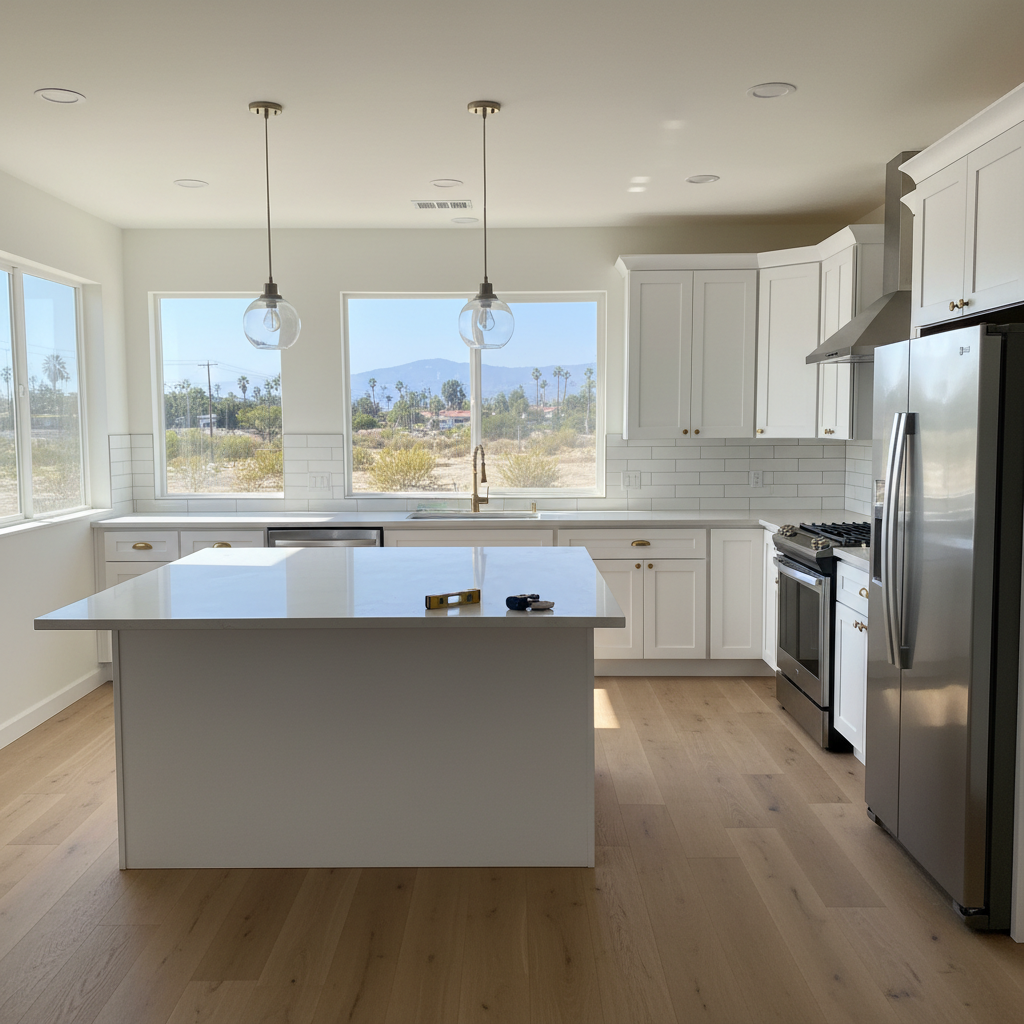
So, you're finally ready to tackle that kitchen remodel, huh? It's a big step, and believe me, after seeing enough of 'em here in Inglewood, I know a little planning goes a really long way. Folks often jump straight to picking out countertops or cabinet colors, but the real magic? That happens long before any demolition starts. Let's talk about getting your ducks in a row so your project goes as smoothly as possible.
Timeline: What's the Real Deal?
Everyone wants to know how long it'll take, right? And the honest answer is, it just varies. A small cosmetic update – new paint, maybe a backsplash, swapping out a light fixture – could be a few days to a week. But a full gut remodel, where we're moving walls, reconfiguring layouts, or changing plumbing and electrical? You're generally looking at anywhere from 6 to 12 weeks for the actual construction phase, once all the materials are on site. That doesn't even count the design and planning phase, which can easily add another 4-8 weeks. It all depends on how quickly you make decisions and how complex your vision is.
Permitting is another thing to factor in. Here in Inglewood, depending on what you're doing, you'll probably need permits for structural changes, plumbing, and electrical work. That whole process can take a few weeks on its own, so don't forget to budget that time in. It's not just about getting the work done; it's about getting it done right, and legally.
What to Expect During the Process
Once we start, things get real. Your kitchen will be a construction zone. Expect dust, noise, and contractors in and out of your house. We do our best to contain it, but dust has a way of finding its way everywhere, doesn't it? We'll usually set up plastic barriers and drop cloths, but you'll still want to cover furniture in adjacent rooms.
You'll be without a functional kitchen for a while. This means planning for meals. Many folks set up a temporary kitchen in another room – a microwave, a toaster oven, a mini-fridge, and maybe a hot plate. Think about paper plates and disposable cutlery to make cleanup easier. It's a bit like camping indoors, but hey, it's temporary!
There will be decisions to make along the way, even if you've planned everything down to the last detail. Sometimes we uncover something unexpected behind a wall, or a material arrives looking slightly different than the sample. Be prepared to be flexible and make quick choices. Good communication with your contractor is absolutely key here.
How to Prepare Your Home and Family
Beyond setting up that temporary kitchen, there are a few practical things you can do to make life easier:
- Clear out your kitchen completely: Every dish, every pot, every spice jar. Pack it up like you're moving. Label boxes clearly so you can find what you need later.
- Designate a storage area: You'll need a place for all those kitchen contents that's out of the way of the work zone. A spare bedroom, garage, or even a rented storage unit might be necessary for bigger projects.
- Protect valuables: Move anything fragile or sentimental from nearby rooms. Dust and vibrations can travel.
- Talk to your family: Make sure everyone knows what to expect – the noise, the mess, the temporary inconvenience. Get them on board with the temporary kitchen setup.
- Secure pets: Construction can be stressful for animals. Make sure they have a safe, quiet space away from the commotion, or arrange for them to stay with a friend or family member if possible.
Seriously, the more you prepare upfront, the less stressful the actual construction phase will be for everyone involved.
Questions to Ask Before Signing That Contract
This is where you protect yourself and ensure you're getting a good fit. Don't be shy. Ask everything you can think of. Here are some must-haves:
- Are you licensed and insured? This is non-negotiable. Ask for proof of both. For us here at All Star Kitchen Remodeling, you bet we are.
- Can I see your portfolio and references? Look at their past work, and more importantly, talk to previous clients. Ask about communication, timeliness, and how they handled any issues that came up.
- What's included in the quote? Get a detailed breakdown. Does it cover demolition, permits, materials, labor, cleanup, and disposal? What about unexpected issues?
- What's the payment schedule? A reputable contractor won't ask for 100% upfront. Typically, it's a deposit, progress payments, and a final payment upon completion and your satisfaction.
- Who will be supervising the project daily? You want to know who your main point of contact is and who's making sure the work gets done correctly.
- What's the warranty on your work? Good contractors stand behind their craftsmanship.
- How do you handle change orders? If something comes up or you change your mind, how is that documented and priced? You don't want surprises later.
- What's your estimated timeline, and what factors could affect it? Get a realistic expectation.
Choosing the right contractor is probably the most important decision you'll make in this whole process. Do your homework. A well-planned kitchen remodel isn't just about a beautiful new space; it's about a smooth, predictable journey to get there. And that's what we aim for every time, right here in Inglewood.